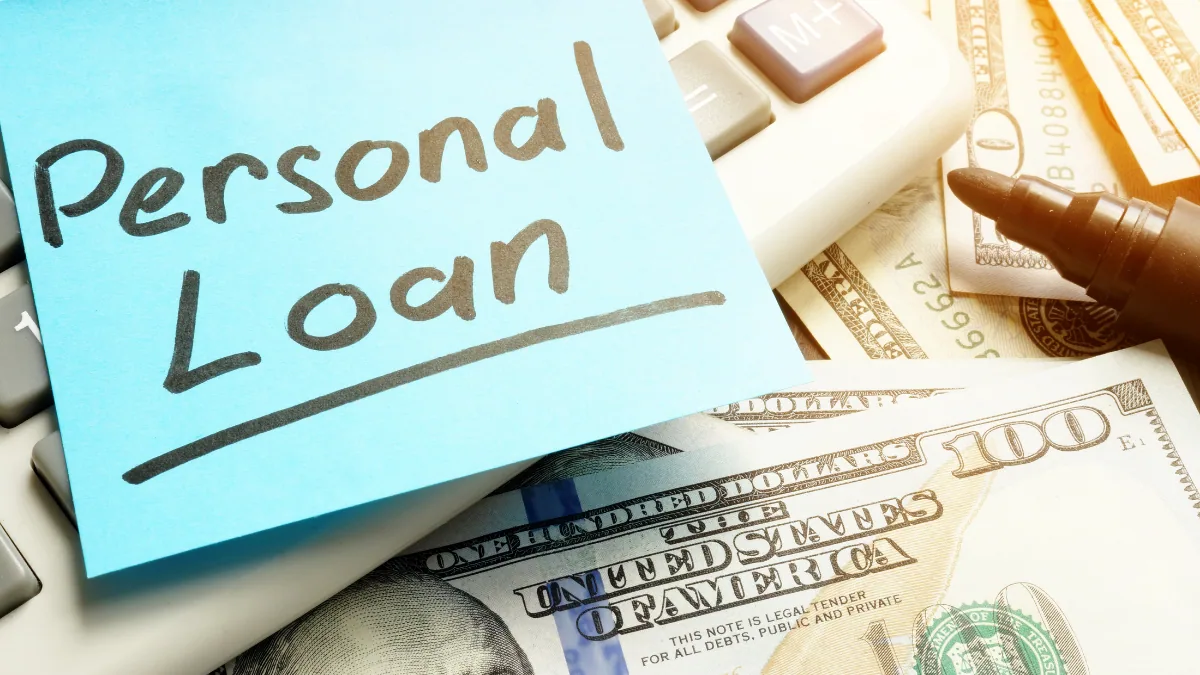
You can have multiple personal loans at the same time, but there is no single number that every borrower is allowed to have. Your ability to get another loan depends on the lender's policies, your existing debts, income, credit profile, requested loan amount, and other underwriting factors.
Some lenders place their own limits on the number or combined balance of loans you can hold with them. Others determine eligibility based on your financial profile each time you apply. Having an existing personal loan therefore does not automatically prevent you from getting another one.
The bigger question is how another loan would affect your finances. Each new loan creates another repayment obligation and can increase your total debt. It may also affect your credit and debt-to-income ratio, which lenders may use when evaluating your ability to manage additional payments. The Consumer Financial Protection Bureau states that lenders may review credit reports and scores, income, debts, loan amount, loan length, and other information when determining personal installment loan terms.
Before applying again, look at the lender's rules and calculate how another payment would fit into your budget.
How Many Personal Loans Can You Have?
There is no universal limit that applies to all lenders and borrowers.
The answer to how many personal loans can you have depends largely on the lender and your financial situation. A lender may restrict how many active loans you can hold with that company, set a maximum combined balance, or require you to meet specific eligibility criteria before approving another loan.
For example, Best Egg currently states that eligible borrowers can have up to two open Best Egg loans simultaneously. The first loan must be in good standing with a positive payment history, and the combined balances cannot exceed $100,000. Eligibility still depends on factors such as credit, income, and application information.
That is a Best Egg policy, not a rule for personal loans in general.
A borrower could potentially hold loans from different lenders if approved, but each lender makes its own underwriting decision.
Can You Get a Second Personal Loan?
Getting a second personal loan while repaying your first one may be possible.
An existing personal loan becomes part of your overall debt profile. When you apply for another loan, the new lender may evaluate your existing obligations along with your credit and income.
According to the CFPB, lenders may evaluate factors such as:
- Credit reports and scores
- Income
- Existing debts
- Requested loan amount
- Repayment period
- Interest rates permitted under applicable state law
- Other financial information
Individual personal loan requirements vary, so approval with one lender does not indicate that another lender will make the same decision.
Even your current lender may apply different criteria to a second application.
How Multiple Personal Loans Affect Your Debt-to-Income Ratio
Taking another loan can increase your debt-to-income ratio, commonly called DTI.
The CFPB defines DTI as your monthly debt payments divided by your gross monthly income. Lenders can use this ratio as one measure of your ability to handle monthly debt payments.
For example, assume your required monthly debt payments total $1,500 and your gross monthly income is $5,000:
$1,500 ÷ $5,000 = 30% DTI
If a new personal loan adds a $300 monthly payment:
$1,800 ÷ $5,000 = 36% DTI
Your DTI would rise because your required debt payments increased while your gross income remained the same.
There is no universal DTI cutoff for personal loans. The CFPB specifically notes that different lenders and loan products have different DTI limits.
This corrects an important issue in the source article, which presented 35% or lower as a generally applicable standard. Borrowers should check each lender's actual eligibility criteria instead.
How Multiple Personal Loans Can Affect Your Credit
Applying for and repaying multiple personal loans can affect your credit in several ways.
New Applications May Create Hard Inquiries
When you formally apply for a loan, a lender commonly checks your credit report. This is known as a hard inquiry.
The CFPB states that hard inquiries can affect credit scores because scoring models may account for how recently and frequently you have applied for credit.
Applying for several loans separately can therefore create several inquiries on your credit reports.
Some lenders let borrowers check potential eligibility or rates using a soft inquiry before submitting a full application. Soft inquiries do not affect credit scores. However, borrowers should verify the lender's process before submitting their information.
Payment History Matters
Once a loan is open, keeping up with the required payments becomes important.
The CFPB states that lenders may report personal installment loan payments to one or several major credit reporting companies. Failing to make payments on time can significantly affect credit reports and scores.
Managing several loans means keeping track of several payment obligations, due dates, and balances. Automatic payments may simplify this for some borrowers, though sufficient funds still need to be available when payments are processed.
How Much Can Multiple Personal Loans Cost?
Another loan means another borrowing cost.
The latest available Federal Reserve data show that the average finance rate on 24-month personal loans at commercial banks was 11.86% in May 2026, up from 11.36% in February 2026. This figure is an average for a specific category of bank personal loans and does not represent the rate every borrower will receive.
Actual personal loan interest rates vary based on the lender, borrower, loan structure, and other factors.
Interest is not the only potential expense.
The CFPB identifies several charges that may apply to personal installment loans, including:
- Origination fees
- Documentation fees
- Late fees
- Optional credit insurance
- Optional disability insurance
- Non-filing insurance for certain secured loans
Not every personal loan carries these charges. Borrowers should check the lender's disclosures to identify the costs attached to a specific loan.
When comparing another personal loan, focus on its APR, applicable fees, monthly payment, repayment period, and total cost rather than the advertised interest rate alone.
Should You Take Out Another Personal Loan?
Being eligible for another loan does not necessarily mean taking it is financially useful.
Before borrowing again, ask a few practical questions:
- What do you need the additional funds for?
- What will the new monthly payment be?
- How much debt do you already have?
- How will the new payment affect your DTI?
- What APR and fees are attached to the loan?
- How long will you be making payments?
- Can your current budget handle the new payment?
- Is another financing method less expensive?
A second loan may be manageable for a borrower with stable income, affordable existing payments, and a clear purpose for the funds. Another borrower may find that the added payment creates too much pressure on the monthly budget.
The decision should be based on your actual numbers rather than simply the amount a lender is willing to approve.
Build a Repayment Plan Before Borrowing Again
Having a clear personal loan repayment plan becomes increasingly important as the number of active loans increases.
Start by listing each debt with its:
| Loan Detail | What to Record |
|---|---|
| Remaining balance | Amount still owed |
| APR | Annual borrowing cost |
| Monthly payment | Required payment each month |
| Due date | Date payment must be made |
| Remaining term | Time left until payoff |
| Fees | Applicable charges under the agreement |
Then add the proposed loan to the list.
Calculate your total required monthly debt payments after the new loan is included. Compare that amount with your income and necessary monthly expenses.
You can also calculate the estimated total amount paid over the new loan's full term. A lower monthly payment can look attractive, but stretching repayment across a longer period may increase the total interest paid.
Is Another Loan Useful for Debt Consolidation?
Taking another personal loan for debt consolidation can work differently from borrowing simply to increase available cash.
A consolidation loan may be used to repay existing debts and replace them with a new installment loan. This could simplify repayment by reducing the number of separate payments you manage.
However, consolidation does not automatically reduce borrowing costs.
The APR, fees, repayment period, and total cost of the new loan need to be compared against the debts being repaid. A longer term might lower the monthly payment while increasing the amount paid over time.
If you use a personal loan to repay credit card balances, avoid rebuilding those card balances afterward. Otherwise, you could end up managing the consolidation loan alongside new credit card debt.
Warning Signs Another Personal Loan May Be Too Much
Certain situations may indicate that adding another loan deserves extra caution.
These can include:
- You are already struggling to make existing payments.
- The new payment would leave little room for necessary expenses.
- You need another loan primarily to make payments on existing loans.
- Your existing debt continues to increase.
- You have recently missed debt payments.
- The new loan carries a high APR or substantial fees.
- You do not have a clear repayment plan.
If you are unable to make an existing personal loan payment, the CFPB recommends contacting the lender as soon as possible. Depending on the lender and circumstances, options may include deferment, forbearance, partial payments, or another payment arrangement. Availability is not guaranteed.
Alternatives to Taking Another Personal Loan
If another personal loan would create an uncomfortable payment obligation, other approaches may fit certain situations.
Save Before Making the Purchase
For an expense that can wait, setting aside money each month can reduce or eliminate the amount you need to borrow.
Review Your Existing Debt
If debt payments are already difficult to manage, adding another loan may not address the underlying problem. Reviewing expenses, repayment priorities, and existing loan terms may help identify another approach.
Use Available Cash Carefully
Using savings for an expense can avoid interest charges, though draining funds needed for emergencies could create another financial problem.
Look at Other Financing Types
Depending on the expense, a credit card promotional APR, home equity product, or another financing method may have different costs and risks.
Compare the full terms before choosing. A financing option with a smaller monthly payment is not automatically the least expensive option overall.
Frequently Asked Questions
Can You Have Multiple Personal Loans at the Same Time?
Yes. It may be possible to have several personal loans simultaneously. There is no single industry-wide limit that applies to every lender. Approval depends on lender policies and the borrower's financial profile.
Can You Have Two Personal Loans From the Same Lender?
Some lenders permit it, while others may limit borrowers to one active loan. Lenders that allow multiple loans may set additional requirements or combined borrowing limits.
For example, Best Egg currently allows eligible borrowers to have up to two open Best Egg loans, subject to its requirements and a $100,000 maximum combined balance.
Does Having a Personal Loan Make It Harder to Get Another?
It can. An existing personal loan increases your debt obligations, and lenders may review existing debts when assessing a new application. Approval depends on the lender's underwriting criteria and your overall financial profile.
Will Applying for Another Personal Loan Hurt My Credit?
A formal application can create a hard inquiry, which may affect your credit score. Soft inquiries do not affect credit scores. Check what type of credit inquiry the lender uses before submitting an application.
Is There a Maximum Number of Personal Loans You Can Have?
There is no universal maximum across the personal loan industry. Individual lenders may establish their own limits on active loans, balances, or eligibility.
Can You Use One Personal Loan to Pay Off Another?
A new personal loan may sometimes be used to consolidate or refinance existing debt, depending on lender restrictions. Compare the new APR, fees, term, monthly payment, and total repayment cost before replacing existing debt.
Deciding if Another Personal Loan Fits Your Budget
Having multiple personal loans is possible, but the number of loans you can obtain is only part of the decision.
Another loan increases your debt and adds a required payment to your budget. It can affect your DTI, trigger a hard credit inquiry when you formally apply, and increase the total amount you spend on interest and fees.
Before applying, check your existing balances, monthly payments, income, proposed APR, fees, and repayment period. Then calculate how the additional payment would affect your monthly finances.
If the numbers leave little room for necessary expenses or make existing debt harder to manage, adding another loan may create financial strain. If the payment remains affordable and the loan serves a clear purpose, comparing several lenders and reviewing the full loan disclosures can help you evaluate your available options.