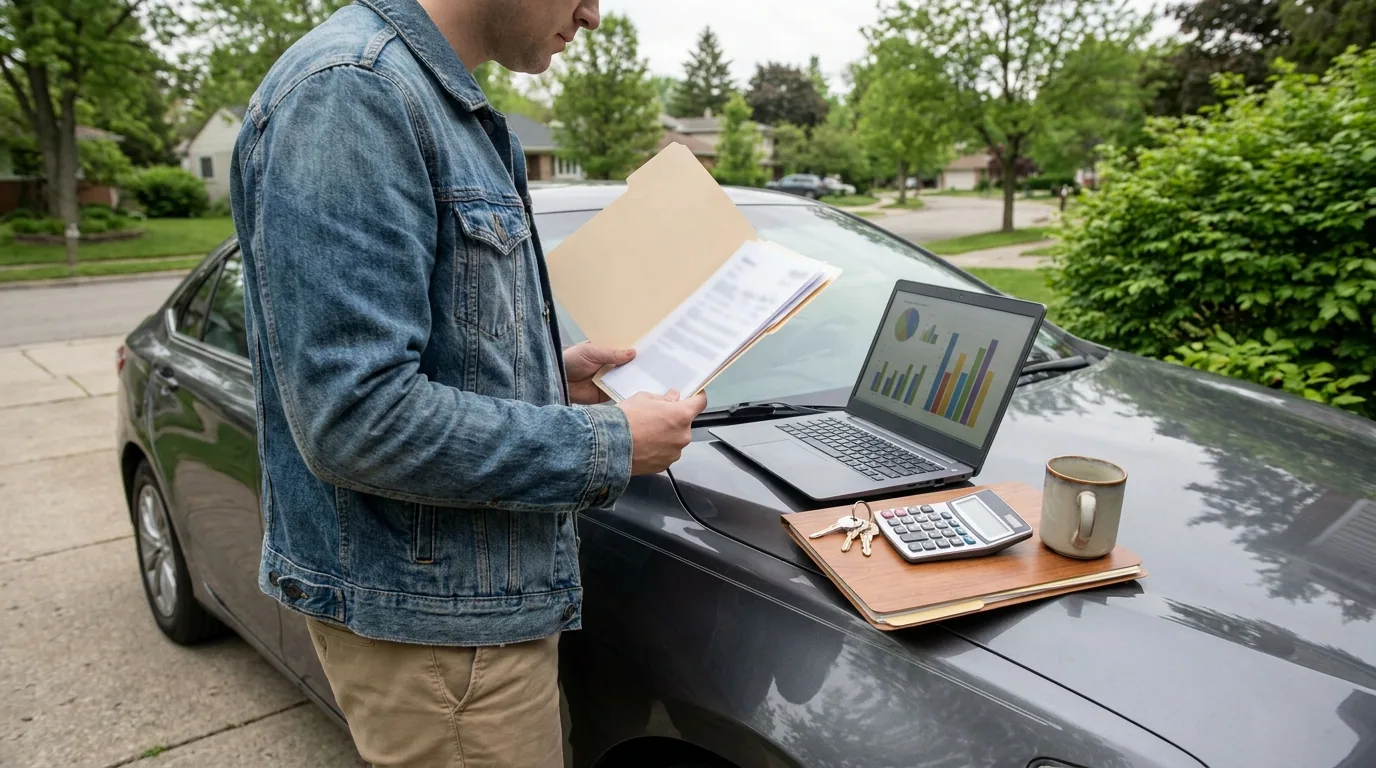
Seeing a higher insurance bill can be frustrating, especially when your vehicle and driving habits have not changed much. Yet high car insurance costs can come from many factors, some tied directly to you and others connected to how insurers estimate future claims.
The National Association of Insurance Commissioners (NAIC) says auto insurers may account for factors such as driving and claims history, where a vehicle is garaged, age or driving experience, vehicle type, coverage limits, deductibles, annual mileage, and insurance scores where permitted.
Some of these factors are difficult to change quickly. Others give you room to review your policy and potentially reduce what you pay. Comparing insurers, checking discounts, reviewing coverage, and choosing a suitable deductible can all be useful places to start.
Why High Insurance Costs Happen
Insurance companies price policies partly according to the claims they expect to pay. A driver or vehicle associated with a higher expected risk of claims can therefore cost the insurer extra to cover.
Your premium can also depend on the amount of protection you purchase. Higher coverage limits, certain optional coverages, and lower deductibles may increase the price of a policy.
State insurance laws matter as well. Rating rules differ across the country, so a factor an insurer may use in one state could be restricted or prohibited in another.
Here are nine areas that can influence car insurance rates.
1. Your Driving and Claims History
Your history behind the wheel is one of the personal factors an insurer may review.
Traffic violations, crashes, and prior claims can influence how an insurer evaluates your risk. A driver with recent incidents may receive a different rate from someone with a clean driving history.
The exact effect varies. Insurers have different rating methods, and state regulations can affect which incidents may be used and how they influence pricing.
Maintaining safe driving habits may help prevent new incidents from adding to your insurance history.
2. Your Vehicle Can Affect the Price
The car you drive can influence auto insurance premiums because vehicles differ in repair costs, replacement costs, theft experience, safety characteristics, and claims experience.
A vehicle that is expensive to repair or replace may cost extra to insure than another vehicle, even when their purchase prices appear similar.
Insurance expenses are therefore worth checking before buying another car. Getting estimates for the vehicles on your shortlist can give you a clearer picture of their ongoing ownership expenses.
3. Your Coverage Choices Affect Your Premium
The protection you select directly affects the amount you pay.
For example, your policy might contain:
- Bodily injury and property damage liability coverage
- Collision coverage
- Comprehensive coverage
- Uninsured or underinsured motorist coverage
- Medical payments or personal injury protection, depending on the state
- Rental reimbursement
- Roadside assistance
Your state may require certain types and minimum levels of coverage. Beyond those requirements, the coverage you select depends partly on your financial situation, vehicle, lender requirements, and risk tolerance.
Reducing protection can cut your premium, yet the immediate savings need to be weighed against the amount you could have to pay yourself after an accident or other covered event.
4. Your Deductible Changes What You Pay
A car insurance deductible is the amount you are responsible for under applicable coverage before the insurer pays its portion of a covered claim.
Collision and comprehensive coverage commonly have deductibles. A higher deductible can reduce the premium associated with that coverage, according to NAIC consumer guidance.
There is a tradeoff. A higher deductible means accepting a larger potential out-of-pocket expense when you file a covered claim.
Before changing your deductible, ask your insurer how much the adjustment would reduce your premium. Then compare that savings with the additional amount you would need to pay following a loss.
5. Where You Live Can Affect Your Rate
The location where you live and garage your vehicle can influence insurance pricing, subject to state rules.
Insurers assess expected claims and losses in different geographic areas. This can result in drivers with otherwise similar profiles paying different amounts based partly on location.
For most drivers, moving simply because of an insurance premium is impractical. Location is therefore primarily a factor that can help explain a price difference rather than an easy way to reduce a bill.
6. Your Mileage and Driving Habits May Matter
Annual mileage can be part of auto insurance pricing. If your commute has changed or you now drive significantly fewer miles, check that the mileage information held by your insurer is accurate.
Some companies also use telematics programs. According to the NAIC, telematics technology may collect driving information such as speeding, braking, acceleration, and other driving behaviors.
Participation rules and pricing effects differ among programs. Before enrolling, review what information is collected, how it is used, and how participation could affect your premium.
7. Credit Information May Be Used in Some States
Credit can play a role in insurance pricing in states where its use is permitted.
A credit-based insurance score is different from the credit score commonly associated with borrowing money. The NAIC explains that insurers may use credit-based insurance scores as one factor alongside other insurance-related information.
State laws vary, and some states restrict or prohibit the practice.
The Federal Trade Commission also notes that some insurers use information from credit reports when determining insurance eligibility or premiums.
Checking your credit reports for inaccurate information can therefore be useful. If you identify an error, you have the right to dispute inaccurate information with the appropriate consumer reporting company.
8. You May Not Be Receiving Available Discounts
If your premium seems unusually high, check which car insurance discounts your insurer has applied.
Discount programs differ by company and state. NAIC guidance lists examples that may include discounts connected with:
- Bundling auto coverage with another policy
- Insuring multiple vehicles
- Maintaining a claims-free record
- Completing eligible defensive-driving or driver-education programs
- Driving a vehicle with qualifying safety equipment
- Meeting certain mileage requirements
Eligibility varies, so a discount advertised by one insurer should not be treated as an industry-wide benefit.
Ask your insurer which discounts are available in your state and which are currently included on your policy. It can also be useful to ask again at renewal because your circumstances or the insurer's programs may have changed.
9. Your Insurer Can Make a Big Difference
Insurance companies do not all price the same driver identically. Each company has its own rating methodology, underwriting standards, approved rates, and discount programs, subject to applicable state law.
This makes comparison shopping one of the practical ways to investigate high car insurance costs.
When requesting car insurance quotes, keep the information and coverage selections as consistent as possible. Compare the same drivers, vehicles, liability limits, deductibles, and optional coverage.
A cheaper quote can provide less protection, so comparing price alone can give you a misleading result.
Which Insurance Cost Factors Can You Control?
Some pricing factors are easier to address than others.
| Factor | Your Ability to Change It |
|---|---|
| Insurance company | High |
| Discounts | High |
| Deductible | High |
| Coverage selections | High |
| Reported mileage and vehicle use | High |
| Vehicle choice | High before buying a car |
| Driving history | Can improve over time |
| Credit-based insurance information | Can change over time where its use is permitted |
| Age or driving experience | Limited |
| Location | Limited without moving |
Starting with factors you can readily review can make the process easier. You can then assess the less flexible factors to understand why your premium is priced at its current level.
How Can You Lower Car Insurance Costs?
There is no single change guaranteed to reduce every driver's premium. A practical approach is to review several parts of your policy instead of cutting coverage immediately.
Compare Equivalent Policies
Request quotes from several insurers using comparable coverage. Check limits, deductibles, exclusions, and optional protection alongside the quoted premium.
This can help you determine if your current price is competitive for the protection you want.
Ask About Discounts
Contact your insurer and ask for a review of available discounts. Changes in driving habits, vehicle usage, household policies, or other eligibility factors could affect the discounts available to you.
Review Your Coverage
Look through your policy at renewal and confirm that each coverage still fits your circumstances.
For an older vehicle, for instance, you might review the value of carrying collision or comprehensive coverage relative to the vehicle's value and your ability to absorb a loss. Do not remove required coverage or coverage required under a financing or lease agreement.
Check Your Deductibles
Ask how changing your collision or comprehensive deductible would affect your premium. Select a deductible you could realistically pay after a covered loss rather than choosing a high amount solely for a lower bill.
Keep Policy Information Accurate
Check your address, annual mileage, vehicle use, listed drivers, and other policy information. If your circumstances have changed, tell your insurer and ask if the updated information affects your rate.
These actions may help lower car insurance costs, although the result depends on your insurer, state, coverage, and individual risk profile.
Frequently Asked Questions
Why Did My Car Insurance Get Expensive Without an Accident?
A clean accident record does not guarantee that your premium will stay the same. Insurers price policies using numerous factors beyond crashes, including claims history, vehicle characteristics, location, annual mileage, selected coverage, deductibles, and other factors permitted under state law.
Changes in an insurer's approved rates can also affect renewal pricing even when your personal driving history has not changed.
Does a Higher Deductible Reduce Car Insurance Costs?
It can. NAIC guidance indicates that increasing a deductible can reduce the premium associated with the applicable coverage. The tradeoff is a higher out-of-pocket responsibility after a covered loss.
Ask your insurer for the actual price difference before making a change.
Can Credit Affect Car Insurance Rates?
Yes, in states that permit insurers to use credit-based insurance information. State restrictions differ, so contact your state insurance department if you want to know the rules where you live.
Is Switching Insurance Companies a Good Way to Save?
It can be worth checking. Insurers can price similar risks differently, so comparison shopping may identify a lower price.
Compare equivalent coverage rather than selecting a policy solely because its premium is cheaper.
What to Do Before Your Next Renewal
If you're facing high car insurance costs, start by checking the parts of your policy you have direct control over. Compare equivalent quotes, ask about available discounts, review your coverage and deductibles, and verify that your mileage and other policy details are accurate.
Avoid cutting valuable protection solely to get the smallest possible premium. A cheaper policy may leave you responsible for significantly higher expenses after a crash or other loss.
The goal is to find coverage that fits your financial situation at a competitive price. Reviewing your policy regularly and comparing equivalent options can help you determine if your current insurer and coverage still make sense.