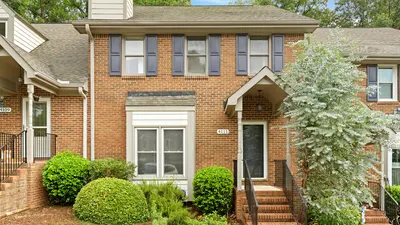
A reverse mortgage allows eligible older homeowners to borrow against their home equity without making the monthly principal-and-interest payments generally associated with a traditional mortgage. Instead, interest and fees are added to the loan balance over time. The homeowner retains title to the property and generally repays the loan after selling the home, moving out, or dying.
The most common type is the Federal Housing Administration-insured Home Equity Conversion Mortgage, or HECM. These loans are designed for homeowners age 62 and older. A reverse mortgage may provide access to cash without requiring the homeowner to sell, yet borrowing reduces home equity and creates costs that can accumulate for years.
Understanding the rules, expenses, and long-term effects can help homeowners determine if this form of borrowing fits their financial situation.
What Is a Reverse Mortgage?
A reverse mortgage is a loan secured by a home. Instead of making regular mortgage payments that generally reduce a loan balance, an eligible homeowner receives loan proceeds and the amount owed typically increases as interest and fees accumulate.
The homeowner keeps title to the property. However, having a reverse mortgage does not remove the financial responsibilities associated with owning the home. HECM borrowers must continue paying applicable property taxes and homeowners insurance, maintain the property, and use it as their principal residence. Failing to meet these obligations can lead to the loan becoming due and potentially foreclosure.
What Is a Home Equity Conversion Mortgage?
A home equity conversion mortgage is an FHA-insured reverse mortgage and the most common type of reverse mortgage in the U.S. It comes with federal consumer protections and requires borrowers to complete counseling with a HUD-approved reverse mortgage housing counseling agency before obtaining the loan.
An important figure has changed significantly since the supplied source article was published. For calendar year 2026, the nationwide HECM maximum claim amount is $1,249,125, up from $1,209,750 in 2025. The 2026 amount applies to FHA case numbers assigned from January 1 through December 31, 2026.
The maximum claim amount should not be confused with the amount a particular homeowner can borrow. Actual borrowing capacity depends on factors including the borrower's age, interest rate, and home value.
How Does a Reverse Mortgage Work?
For homeowners asking how does a reverse mortgage work, one of the biggest differences from a traditional mortgage is the direction of the loan balance.
With a traditional mortgage, borrowers typically make payments that gradually reduce the principal owed. With a reverse mortgage, borrowers generally do not make monthly principal-and-interest payments. Interest and applicable fees are instead added to the outstanding balance, causing the debt to increase over time.
As the loan balance rises, the homeowner's remaining equity may decline.
The basic process generally looks like this:
- The homeowner applies with a reverse mortgage lender.
- Eligibility, finances, and the property are evaluated.
- For a HECM, the applicant completes required HUD-approved counseling.
- The lender determines how much the homeowner may borrow.
- Existing mortgage debt generally must be paid from the HECM proceeds or other funds at closing.
- Remaining available proceeds are distributed according to the selected payment arrangement.
- Interest and applicable fees accumulate on borrowed funds.
- The loan is eventually repaid when a repayment event occurs.
A homeowner may stay in the property while the reverse mortgage remains outstanding as long as the applicable loan requirements continue to be met.
How Can You Receive Reverse Mortgage Money?
The amount available through a HECM depends partly on the age of the borrower, the applicable interest rate, and the home's value. For married borrowers or other co-borrowers, age-related calculations may depend on the youngest co-borrower or eligible non-borrowing spouse.
Three primary payment approaches are available.
| Payment Method | How It Works | Main Point to Know |
|---|---|---|
| Lump sum | Available proceeds are taken at closing, subject to applicable HECM disbursement limits | Interest and fees apply to funds borrowed |
| Monthly payments | Funds are distributed over time | Borrowing occurs gradually rather than all at once |
| Line of credit | Funds can be accessed as needed | Interest and fees generally apply to the amount used |
Some borrowers may also have access to combinations of payment arrangements. The available choices can depend on the loan's interest-rate structure and other HECM rules.
The payment method matters because it affects how quickly the balance may grow. A homeowner who accesses funds gradually may accumulate less interest initially than someone who borrows a large amount immediately.
Reverse Mortgage Requirements
Specific eligibility rules can depend on the type of reverse mortgage. For an FHA-insured HECM, important reverse mortgage requirements include age, property, financial, and counseling standards.
Applicants generally need to:
- Be at least 62 years old.
- Use the property as their principal residence.
- Have sufficient home equity.
- Meet applicable property standards.
- Complete counseling through a HUD-approved reverse mortgage counseling agency.
- Demonstrate the ability to meet ongoing property obligations under the lender's financial assessment.
A homeowner with an existing mortgage may still qualify. However, the existing mortgage generally needs to be paid off using HECM proceeds or other funds at closing.
The lender also performs a financial assessment related to the homeowner's ability to meet ongoing obligations such as taxes and insurance.
Eligibility does not mean a reverse mortgage will necessarily be suitable for a particular homeowner. Expected time in the property, available equity, expenses, family circumstances, and alternative sources of funds can affect that decision.
How Much Does a Reverse Mortgage Cost?
Reverse mortgage costs deserve careful attention because these loans can be relatively expensive compared with other forms of home borrowing. CFPB guidance states that reverse mortgages are typically costlier than other home loans.
For an FHA-insured HECM, costs may include:
Origination Fee
HECM lenders may charge an origination fee. Current CFPB examination procedures state that the maximum can reach $6,000, depending on the HECM maximum claim amount.
Upfront Mortgage Insurance Premium
HECM borrowers pay an upfront FHA mortgage insurance premium. Current CFPB guidance identifies the upfront MIP as 2% of the maximum claim amount.
Annual Mortgage Insurance
HECM borrowers are also charged an annual mortgage insurance premium equal to 0.5% of the outstanding mortgage balance. This expense is added to the loan balance.
Closing Costs
Additional expenses can include an appraisal, title-related charges, inspections, recording fees, credit checks, and other settlement costs.
Interest
Interest accumulates on the outstanding loan balance. Because unpaid interest and certain fees become part of the balance, the amount owed can increase substantially if the loan remains outstanding for many years.
Some upfront expenses may be financed with the reverse mortgage proceeds. Doing so reduces the funds left for the homeowner and adds those financed expenses to the balance on which future costs can accumulate.
Reverse Mortgage Pros and Cons
Reviewing the reverse mortgage pros and cons can help homeowners assess the tradeoffs before using home equity.
| Potential Benefits | Potential Drawbacks |
|---|---|
| Access home equity without immediately selling the property | Loan balance generally increases over time |
| No required monthly principal-and-interest mortgage payments while loan conditions are met | Interest, mortgage insurance, and other fees can be costly |
| Several ways to receive available proceeds | Remaining home equity may decline |
| Homeowner retains title | Property taxes, insurance, and maintenance remain the homeowner's responsibility |
| HECMs include FHA insurance and federal protections | The loan eventually has to be repaid |
| Proceeds are generally not treated as taxable income | Less home equity may remain for heirs |
Potential Advantages
One significant benefit is access to home equity without immediately selling the property. That can help some older homeowners who want to remain in their homes while accessing funds for expenses.
Reverse mortgage proceeds are also generally not taxable income. The IRS treats the money as loan proceeds rather than income.
HECM borrowers can also choose among different ways of accessing available funds, giving them some control over when they borrow.
Potential Drawbacks
The growing balance is one of the most significant concerns. Interest and fees are added over time, so borrowing can consume an increasing portion of the homeowner's equity.
Homeownership expenses also continue. A reverse mortgage does not eliminate property taxes, homeowners insurance, applicable flood insurance, or the cost of maintaining the home.
A reverse mortgage may therefore be less suitable for someone planning to move relatively soon or someone who wants to preserve as much home equity as possible for heirs.
Are Reverse Mortgage Proceeds Taxable?
According to the IRS, reverse mortgage proceeds are considered loan proceeds rather than income and therefore are not taxable when received.
The tax treatment of reverse mortgage interest is different. Accrued interest generally cannot be deducted until it is actually paid, and additional restrictions may limit whether the interest qualifies for a deduction. Homeowners with tax questions may want to discuss their individual circumstances with a qualified tax professional.
When Does a Reverse Mortgage Have to Be Repaid?
A reverse mortgage does not eliminate repayment. Instead, repayment is generally postponed until a triggering event occurs.
For a HECM, repayment generally becomes necessary when the last surviving borrower or eligible non-borrowing spouse:
- Dies
- Sells the home
- Stops using the property as a principal residence
The loan may also become due earlier if required property taxes or homeowners insurance are not paid or if the property is not adequately maintained.
An extended stay in a healthcare facility can have implications as well. CFPB guidance states that if a borrower is away in a healthcare facility for over 12 consecutive months and no co-borrower remains in the home, repayment rules can apply, subject to protections that may be available to an eligible non-borrowing spouse.
What Happens to the Home After the Borrower Dies?
A reverse mortgage does not automatically mean heirs lose the property.
Because the borrower retains title, heirs may have options after the borrower's death. Depending on the circumstances and applicable HECM rules, they may sell the home and use the proceeds to repay the debt or arrange financing to retain the property.
The remaining home equity therefore matters. As the reverse mortgage balance grows, the portion of the property's value left after repayment may decrease.
Anyone who strongly prioritizes leaving the home or substantial home equity to family members should account for this potential effect before borrowing.
Reverse Mortgage Scams and Warning Signs
Older homeowners can be targets for financial fraud, making awareness of reverse mortgage scams an important part of researching these loans.
The CFPB specifically warns consumers to be cautious when contractors approach them and suggest taking out a reverse mortgage to finance home repairs. It also warns that the Department of Veterans Affairs does not provide reverse mortgages, despite advertisements that may imply VA approval or advertise special reverse mortgage arrangements for veterans.
Other situations that deserve extra scrutiny include:
- Pressure to sign loan documents quickly
- Requests to send money to an unfamiliar person or business
- Claims that a reverse mortgage provides "free money"
- Pressure to use loan proceeds for an unrelated investment or purchase
- Loan terms that differ from what was discussed verbally
- A salesperson discouraging independent counseling or outside advice
- Advertisements implying government approval when none exists
For HECMs, mandatory counseling with a HUD-approved agency provides borrowers with an independent opportunity to discuss the loan, its financial consequences, and possible alternatives.
Alternatives to a Reverse Mortgage
A reverse mortgage may solve a particular cash-flow problem, yet other ways of accessing money may carry lower costs or preserve greater home equity.
The CFPB identifies several possibilities worth reviewing before applying, including:
- A home equity loan
- A home equity line of credit
- Refinancing
- Downsizing
- Reducing expenses
- Waiting before accessing home equity
A home equity loan or HELOC may cost less in some circumstances, although these products generally require monthly payments and have their own qualification standards and risks.
Comparing total borrowing costs, monthly cash-flow needs, expected time in the home, and the amount of equity the homeowner hopes to preserve can help narrow the choices.
Is a Reverse Mortgage a Good Idea?
A reverse mortgage may make sense for an eligible homeowner who plans to remain in the property, needs access to home equity, can keep paying property-related expenses, and understands that the loan balance will increase.
It may be less suitable when the homeowner expects to move soon, has access to a less expensive source of funds, cannot reliably cover taxes and insurance, or places a high priority on preserving home equity.
The decision should account for future housing plans as much as immediate cash needs. A reverse mortgage can change how much equity remains later and can affect options available to the homeowner and heirs.
For anyone considering an FHA-insured HECM, the required HUD-approved counseling session is an opportunity to review costs, responsibilities, alternatives, and the effect of the loan before making a commitment.
Making an Informed Reverse Mortgage Decision
A reverse mortgage can give homeowners age 62 and older a way to access home equity while continuing to live in their homes. The tradeoff is a loan balance that generally grows as interest and fees accumulate.
Before applying, homeowners should look closely at how long they expect to stay in the property, how much they need to borrow, the total loan costs, their ability to keep paying taxes and insurance, and how reduced equity could affect future plans.
Comparing a HECM with alternatives such as a HELOC, home equity loan, refinancing, or downsizing can help determine which approach best fits the homeowner's finances. The goal should be to understand both today's available cash and the long-term cost of accessing it.