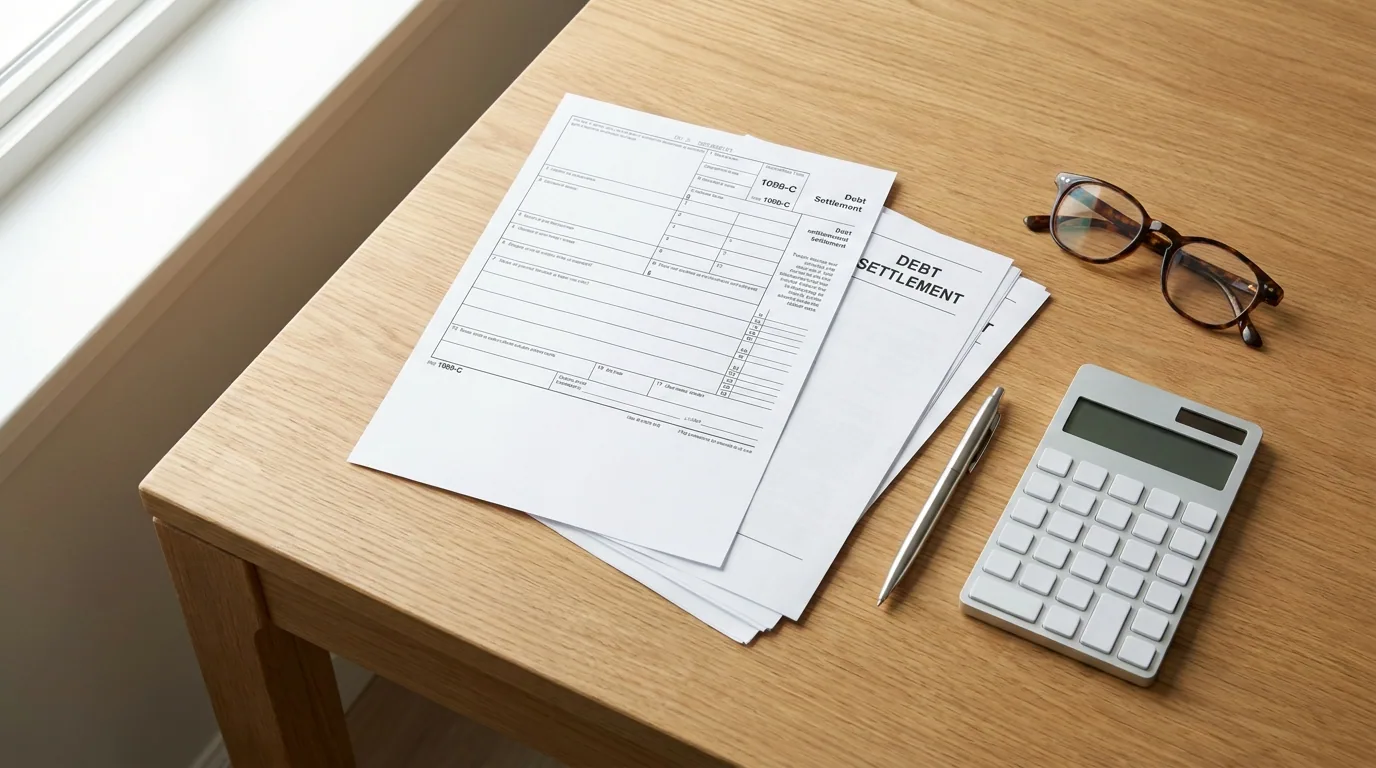
Settling a debt for less than the full balance can provide financial relief, but the settlement itself may not be the end of the story. Depending on the circumstances, the amount a creditor cancels may be treated as taxable income.
That means it's important to consider potential tax consequences before agreeing to a settlement—not months later when it's time to file your return.
Why Canceled Debt May Be Taxable
When a creditor agrees to accept less than the amount you owe, the difference is generally considered canceled or forgiven debt.
For example, suppose you owe $10,000 and settle the account for $6,000. The remaining $4,000 has been canceled.
Under federal tax rules, canceled debt may generally be included in gross income unless an exclusion or exception applies. In this example, some or all of the $4,000 could potentially affect your taxable income.
You May Receive a Form 1099-C
When qualifying debt is canceled, a creditor may issue Form 1099-C, Cancellation of Debt, showing information about the canceled amount.
Don't assume you're automatically exempt from reporting canceled debt simply because you don't receive the form. Likewise, receiving a 1099-C doesn't necessarily mean the entire amount shown will ultimately be taxable if you qualify for an applicable exclusion.
Keep the form with your other tax records and compare it with your settlement documentation.
Canceled Debt Can Increase Your Tax Bill
One challenge with canceled debt is that taxes generally haven't been withheld from it.
Unlike wages, where taxes may be withheld throughout the year, a forgiven balance doesn't put cash in your paycheck from which taxes can be withheld. As a result, taxable canceled debt could increase the amount you owe when filing or reduce an expected refund.
If you're considering a significant settlement, planning for the possible tax impact beforehand can help prevent another financial surprise.
Some Canceled Debt May Be Excluded
Not every canceled debt is necessarily taxable.
Federal tax law provides exclusions for certain situations. Depending on the circumstances, these may involve debt canceled in bankruptcy, insolvency, and certain other qualifying types of debt.
The rules can be detailed, and eligibility depends on the facts surrounding the cancellation.
Student loan forgiveness also requires particular attention because tax treatment can depend on the forgiveness program and tax law applicable to the year the debt is discharged.
Understand the Insolvency Exclusion
Insolvency can be particularly important for someone settling debt because of serious financial difficulties.
Generally, insolvency involves comparing the fair market value of your assets with your total liabilities immediately before the debt was canceled. If your liabilities exceeded your assets, you may qualify to exclude some or all of the canceled debt from income, subject to applicable rules.
This isn't something to estimate casually. You'll need records showing what you owned and owed at the relevant time.
Useful documentation may include:
- Settlement agreements
- Account statements
- Form 1099-C
- Loan balances
- Bank and investment balances
- Property values
- Other assets and liabilities
Repossessed Property Can Be More Complicated
Canceled debt involving repossessed property can require additional calculations.
Depending on the type of debt and whether you're personally responsible for any remaining balance, the transaction may involve both a disposition of property and cancellation-of-debt income.
Because these situations can be considerably more complicated than an unsecured credit card settlement, professional tax assistance may be particularly useful.
Multiple Settlements Can Affect Multiple Tax Years
If you're settling several accounts, don't assume they'll all create tax consequences in the same year.
One creditor might settle this year while another doesn't reach an agreement until the following year. That can potentially result in canceled-debt reporting across multiple tax years.
Keep separate records for every settlement, including the original balance, amount paid, amount forgiven, settlement date, and correspondence from the creditor.
Prepare for Taxes Before Spending What's Left
There's often a substantial delay between settling an account and filing the tax return covering that settlement.
If you expect some of the canceled debt to be taxable, consider planning for the potential bill while the settlement details are still fresh. Don't assume the company or organization helping with a debt settlement is also handling your tax obligations.
Debt settlement and tax preparation are separate matters.
What If You Can't Pay the Resulting Tax Bill?
If a settlement contributes to a tax bill you can't pay in full, payment arrangements may be available to eligible taxpayers.
These arrangements don't eliminate the underlying tax obligation and may involve interest, penalties, or other costs. Addressing the balance rather than ignoring it can help prevent the situation from becoming more difficult.
Keep the Tax Consequences in Your Settlement Plan
Settling a debt may reduce the amount you ultimately pay your creditor, but the forgiven portion can create another financial consideration.
Before accepting a settlement, determine how much debt will be canceled, keep detailed documentation, and consider whether an exclusion such as insolvency could apply. For complicated settlements, repossessions, or questions about whether canceled debt is taxable, a qualified tax professional can help you evaluate your specific circumstances.
The account may be closed after settlement, but your financial planning shouldn't stop there.